
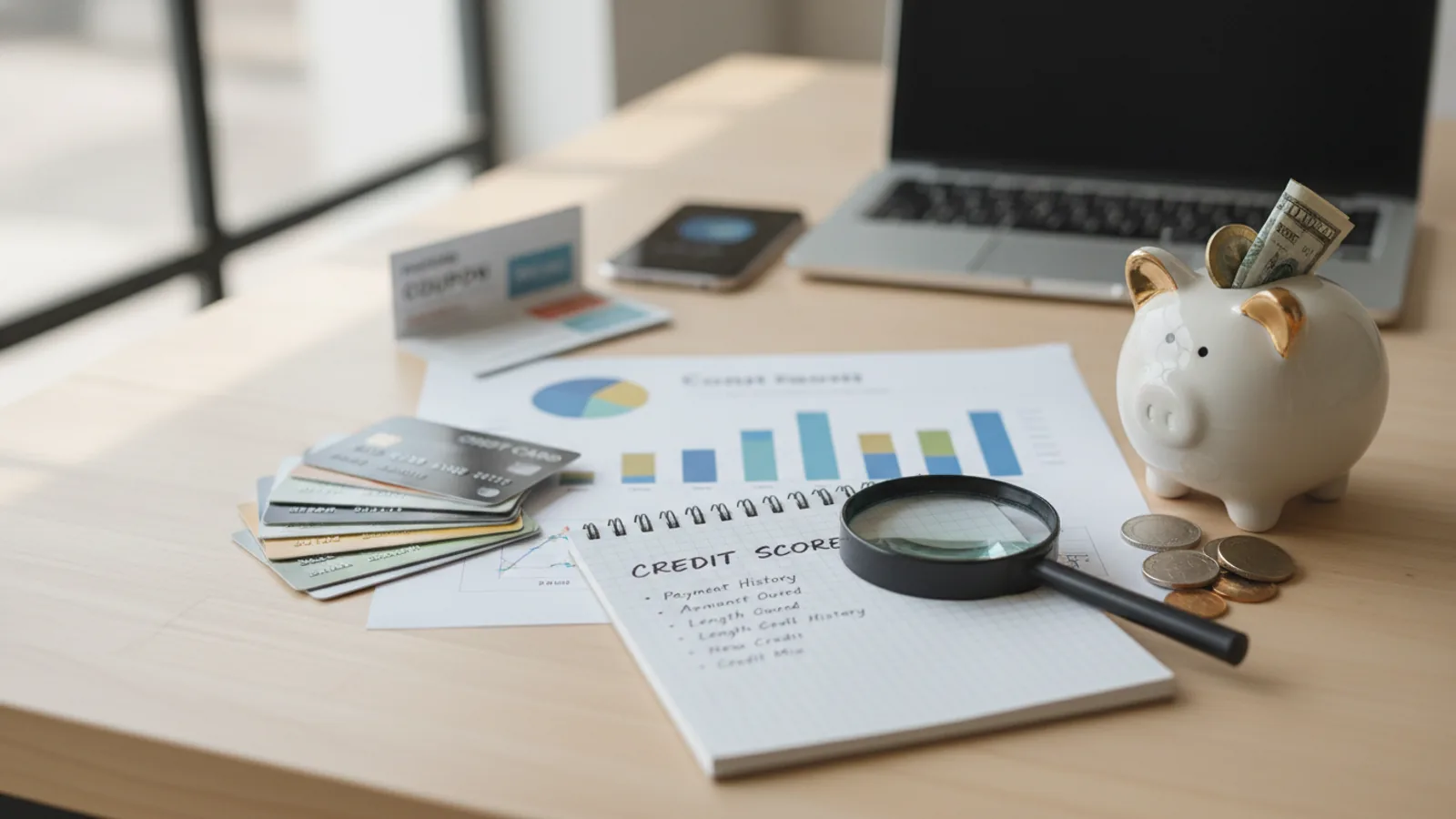
What Is A Credit Score
This guide explains how to approach what is a credit score, including the preparation, practical steps, common mistakes, and final checks that help you finish with confidence.
Before You Start
Understanding your credit score is a knowledge-based task. You don't need special tools, but you do need the right information and mindset to get started.
Step-by-Step Instructions
Quick Reference: Actions and Their Impact
Common Problems When Understanding Your Credit Score
As you start paying attention to your credit, you might run into a few common hurdles. Here’s how to handle them.
Finding Errors on Your Credit Report
Mistakes happen. You might find an account that isn't yours or a late payment that you actually paid on time. If you find an error, you have the right to dispute it. The process involves contacting the credit bureau that is reporting the error (Equifax, Experian, or TransUnion) online or by mail. They are required to investigate your claim, typically within 30 days, and remove any information they can't verify.
Having No Credit History (Being a "Credit Ghost")
Not having any credit can be as tricky as having bad credit. Lenders have no information to judge you on, so they may be hesitant to approve you. To start building a history, consider applying for a secured credit card, which requires a cash deposit as collateral, or becoming an authorized user on a family member's credit card.
Confusing Your Many Different Scores
You might get a score of 720 from your bank but see a 735 on a free credit app. This is normal. There are dozens of different scoring models (FICO 8, FICO 9, VantageScore 3.0, etc.) used for different purposes (auto loans, mortgages, etc.). Don't fixate on the exact number. Instead, focus on the general range you're in and the positive financial habits that make all your scores go up over time.
Obsessing Over Small, Day-to-Day Fluctuations
Your credit score is not static. It can change slightly every month as new information is reported. Seeing your score drop by five points is not a cause for panic. These small shifts are normal. Pay attention to major drops (30+ points) and focus on long-term trends rather than daily volatility.
Advanced Tips for a Better Credit Score
Once you've mastered the basics, you can use these strategies to give your score an extra boost.
What Is A Credit Score FAQ
Final Checklist for Understanding Your Credit Score
You've learned the essentials. Use this checklist to confirm you're ready to take control of your credit health.
FAQ
What should I check before I start?
Check the goal, the key prerequisite, and any current instructions that could change the safest next step for what is a credit score.
How can I tell whether the result is working?
Use the practical checks in the guide, pause if a required step is unclear, and verify the finished result against the intended outcome.